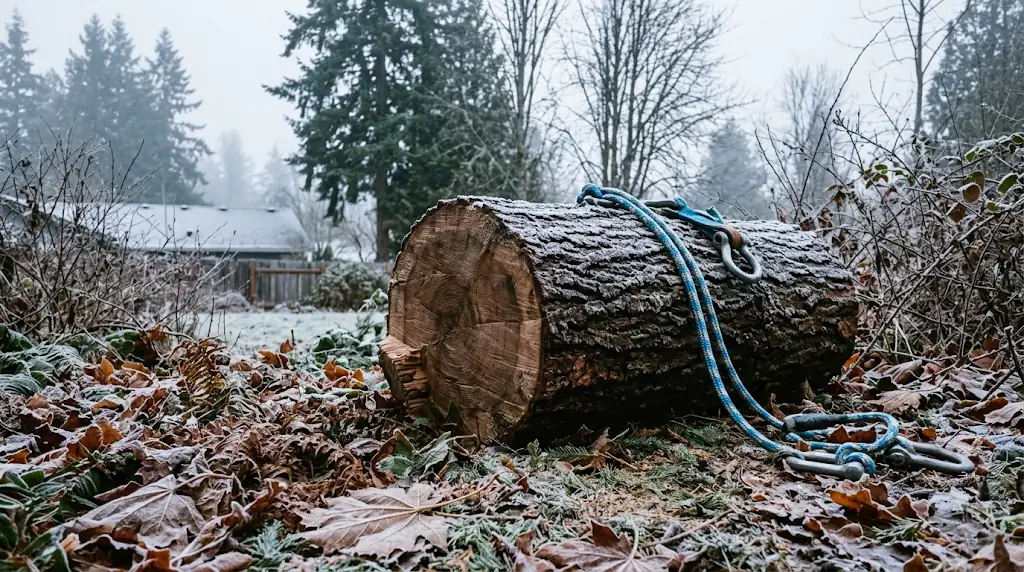
Late autumn through late winter (November through February) is the best time of year for scheduled tree removal in Western Washington. Deciduous trees are dormant with bare canopies, ground impact is reduced on frozen or firm surfaces, contractor schedules allow for faster booking, and proactive removal eliminates structural failure risks before peak Pacific Northwest windstorms and federal bird nesting windows arrive.
Western Washington Seasonal Removal Matrix
| Season | Months | Project Feasibility | Canopy & Wood Conditions | Site Access & Lawn Impact | Wildlife & Regulatory Constraints |
| Late Fall / Winter | Nov – Feb | Optimal | Full dormancy; zero deciduous foliage; lowest sap flow | Saturated topsoil requires heavy ground protection mats | Zero active nesting restrictions; pre-empts peak storm season |
| Early Spring | Mar – Apr | Moderate | Bud break begins; rising sap pressure; heavy branch weight | Saturated soils; high compaction risk on residential turf | Nesting season begins; active nests require visual inspection under federal law |
| Late Spring / Summer | May – Aug | Good | Full foliage; maximum branch weight; dense visual obstruction | Dry, firm ground; minimal lawn rutting; heavy crane access | Peak bird nesting season; King/Pierce County seasonal burn and fire restrictions |
| Early Fall | Sep – Oct | Optimal | Foliage senescence; lower sap flow; moderate canopy weight | Dry soil conditions transition to early autumn rains | Nesting season concluded; ideal pre-storm preparation window |
4 Reasons Why Late Fall and Winter Are the Best Times to Cut
While emergency tree removal occurs year-round out of necessity, planned removals deliver the highest structural efficiency and cost value during Western Washington’s coldest months:
1. Dormancy and Foliage Weight Reduction
Deciduous species—including big-leaf maples (Acer macrophyllum), red alders (Alnus rubra), and black cottonwoods (Populus trichocarpa)—drop their leaves completely by early November.
- Lighter Rigging Weight: Wet deciduous leaves hold hundreds of pounds of water weight. Bare canopies reduce dynamic load on climbing ropes, lowering rigging friction and speeding up cutting cycles.
- Canopy Visibility: Without leaf obstruction, tree climbers and crane operators can clearly inspect structural defects, including hidden hollows, internal rot pockets, co-dominant stem cracks, and dead branches (“widow-makers”).
- Low Sap Pressure: Sap flow drops sharply in dormant wood. Lighter, dry-standing timber is easier to handle, produce cleaner chainsaw cuts on, and chips with less gum buildup inside commercial wood chippers.
2. Pre-Empting the Puget Sound Windstorm Season
Western Washington experiences its most destructive atmospheric weather patterns between November and February. According to regional climate records from the National Weather Service Seattle, mid-winter storm systems frequently push sustained winds of 45 to 60+ mph through Puget Sound, funneled directly by local geography like the Green River Valley.
- Saturated glacial till and sandy loam soils lose shear strength when winter precipitation exceeds 40 annual inches.
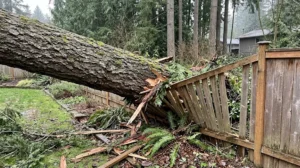
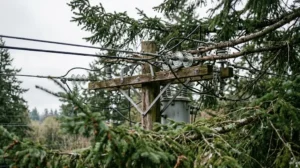
- Removing structurally compromised Douglas firs (Pseudotsuga menziesii) or leaning Western red cedars (Thuja plicata) in November or December eliminates the hazard before windstorms uproot the tree into a roof or overhead electrical line.
- Scheduled winter removals prevent expensive 24/7 emergency overtime rates.
3. Avoiding Federal Bird Nesting Windows
Tree removals conducted between March and July face federal legal restrictions. Under the Migratory Bird Treaty Act of 1918, it is illegal to pursue, hunt, take, capture, kill, or disturb active nests, eggs, or young of protected migratory bird species without a federal permit.
- Western Washington hosts numerous protected native species, including great blue herons, pileated woodpeckers, red-tailed hawks, and bald eagles.
- If an arborist discovers an active nest containing eggs or fledglings in your tree during spring, all removal operations must immediately halt until the young fledge.
- Removing trees between November and January guarantees that migratory nests are vacant, eliminating project delays and regulatory fines.
4. Contractor Availability and Competitive Pricing
Spring and summer represent peak demand for landscaping, aesthetic trimming, and property development. Tree service backlogs frequently stretch four to eight weeks between May and August.
- Winter brings lower demand for standard maintenance, allowing property owners to secure immediate scheduling.
- Tree care companies often provide competitive winter pricing on non-emergency removals to keep full-time rigging crews and grapple trucks working steadily.
Managing Wet Soils and Turf Protection in Western Washington Winters
The primary operational challenge of winter tree removal in Auburn and King County is saturated ground. Heavy rainfall between November and March softens residential turf, creating rutting risks from skid steers, mini-excavators, and wood haulers.
Professional tree services solve this through modern ground-protection engineering:
- Composite Ground Protection Mats: Heavy polyethylene mats (e.g., AlturnaMATS) are laid down in continuous tracks from the driveway to the work zone. These distribute heavy axle weight across a wide surface area, preventing deep lawn tracks and soil compaction.
- Zero-Impact Rigging Systems: Rather than dropping large timber rounds directly onto soft lawns, crews use mechanical friction brakes, lowering ropes, and portable winches to guide wood softly to the ground.
- Knuckle-Boom Cranes: Positioned on paved driveways or municipal streets, commercial cranes pick cut canopy sections vertically into the air and swing them directly into street-side chippers, bypassing delicate yard surfaces entirely.
When Does Summer Make Sense for Tree Removal?
Summer removals (July through September) offer distinct logistical advantages for specific parcel types:
- Extremely Tight Access Without Pavement: If a tree stands in a landlocked backyard without driveway access, dry summer soils allow equipment to cross lawns without sinking into mud.
- Steep Slopes and Ravines: In critical steep slope zones along Lea Hill and West Hill bluffs, dry ground provides traction for rigging ground crews and eliminates slip-and-fall hazards on clay banks.
- Insect and Fungal Diagnostics: Certain canopy diseases, such as leaf blight or aphid infestations, are easier to evaluate when trees carry full summer foliage.
Summer Caution: Western Washington summers increasingly bring regional fire safety restrictions. King and Pierce counties routinely implement outdoor burn bans and machinery spark restrictions during August dry spells, requiring crews to maintain dedicated fire suppression gear on job sites.
Species-Specific Removal Recommendations for Western Washington
Western Washington Timber Timing Guide:

Douglas Fir & Western Red Cedar (Evergreen Conifers)
└── Timing: Year-round; prioritize late autumn before wet snow and windstorm cycles.

Big-Leaf Maple & Red Alder (Native Hardwoods)
└── Timing: November to February; mandatory leaf drop eliminates heavy water load.

Black Cottonwood (Riparian Deciduous)
└── Timing: Late winter; brittle branches become extremely hazardous during summer heat.

Fruit Trees (Apple, Cherry, Plum)
└── Timing: January to February; winter removal avoids spreading fungal spores.
Auburn Seasonal Removal Verification Checklist
Before scheduling your project, follow this operational checklist:
- [ ] Inspect for Structural Red Flags in Early Autumn: Check conifers for fresh leans, cracked soil around root flares, or fungal conks (Phellinus weirii) before November rains begin.
- [ ] Review Municipal Tree Removal Caps: Under the City of Auburn Tree Maintenance and Removal guidelines, confirm that removing the tree stays within the 6-tree-per-acre rolling 12-month exemption.
- [ ] Check for Nesting Activity: If forced to remove between March and July, visually inspect upper fork crotches and cavities for active bird nests.
- [ ] Demand Turf Protection Protocols: If scheduling between November and April, ensure your contractor’s written estimate includes commercial ground protection mats.
- [ ] Verify Washington Contractor Credentials: Confirm that your contractor carries an active license, surety bond, and workers’ comp via the Washington State L&I Verification Portal.
Timing your tree removal during the dormant winter window protects your home from catastrophic storm hazards, prevents property damage, and ensures the best pricing. [demo_data field=business_name] deploys certified arborists, composite lawn protection systems, and hydraulic crane technology to execute safe, zero-impact tree removals year-round across Auburn. Visit our contact page to schedule a seasonal property evaluation and secure an itemized written quote.